Dangers of Passion
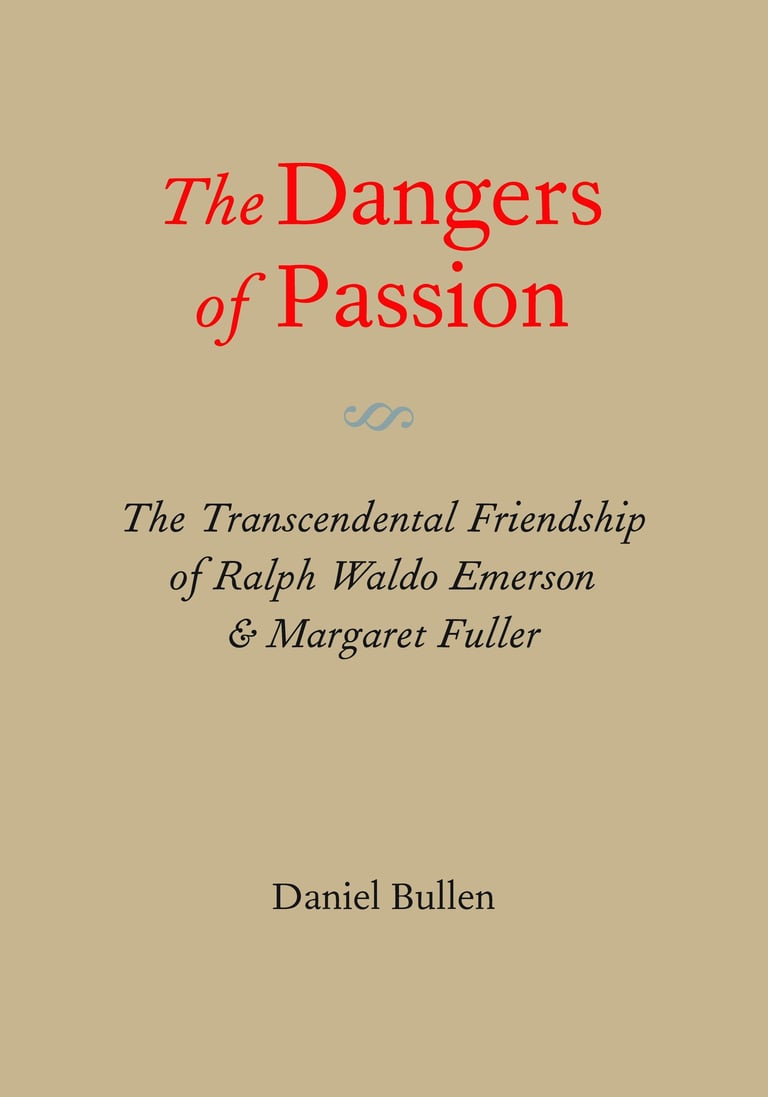
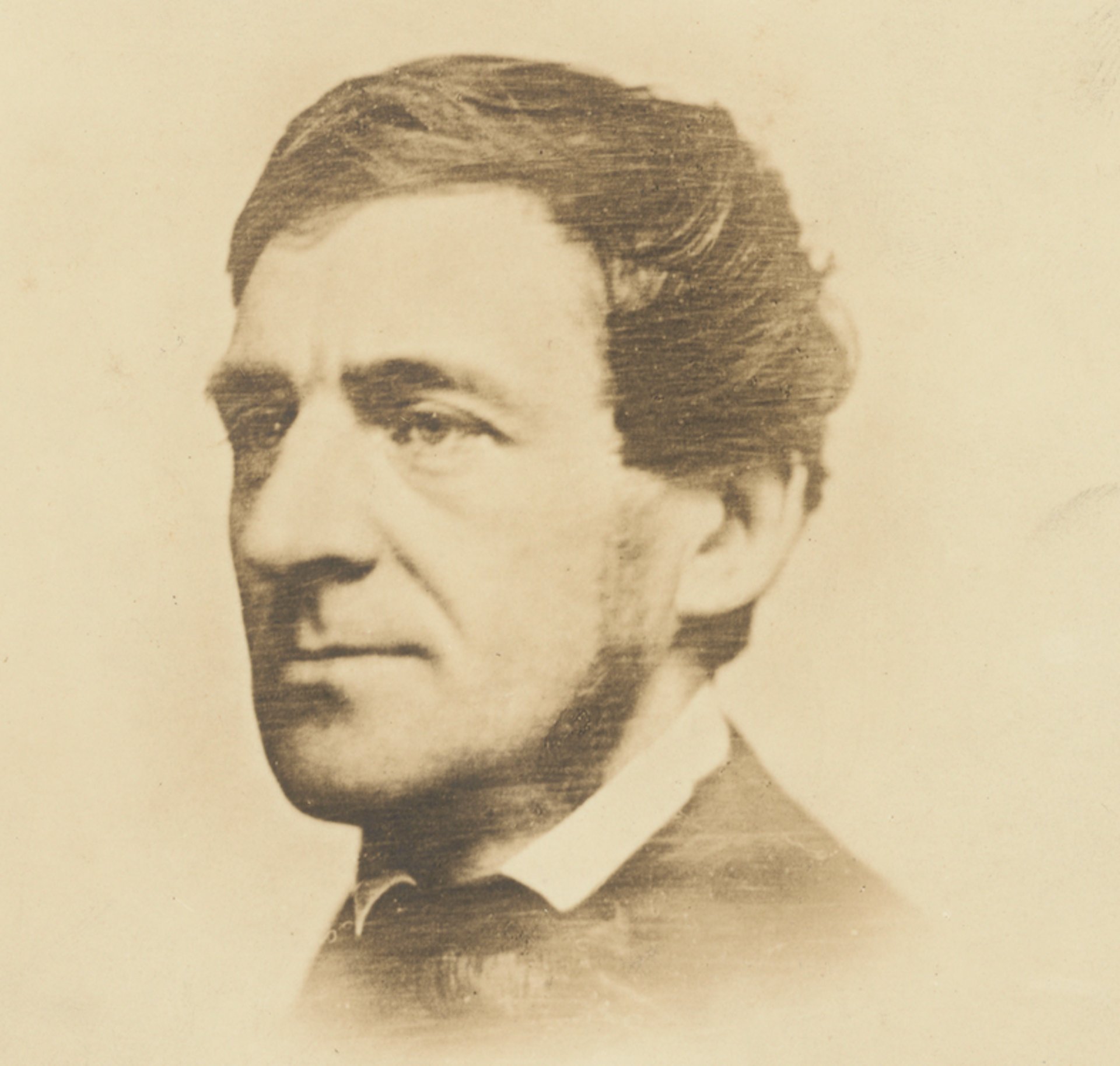
When Margaret Fuller met Ralph Waldo Emerson in 1835, he was on the verge of declaring America’s spiritual, literary and philosophical independence, founding the school of American self-reliance.
Fuller was an ideal disciple for Emerson, as she had been raised by progressive parents who schooled her in Greek and Latin. By the time she met Emerson, she was translating Eckermann’s Conversations with Goethe, at the forefront of American intellectual circles.
Fuller found an ideal mentor and guide in Emerson. As their friendship deepened, Fuller ultimately pressed Emerson to recognize her unique role in his intellectual life. Emerson could not do this, but in their journals, each of them questioned the value of marriage for men and women of genius.
Disappointed by Emerson, Fuller ultimately had a child and married a barely-literate Count in Rome during the Italian Revolution in 1848, but this radical tie did not get to flourish. She and Ossoli and their child died in a shipwreck returning to America in 1850. But the questions Fuller’s life had raised—about how to reconcile marriage and self-reliance—are still echoing today, in the tension between self-reliance and commitment.
When Margaret Fuller met Ralph Waldo Emerson in 1835, he was on the verge of declaring America’s spiritual, literary and philosophical independence, founding the school of American self-reliance.
Fuller was an ideal disciple for Emerson, as she had been raised by progressive parents who schooled her in Greek and Latin. By the time she met Emerson, she was translating Eckermann’s Conversations with Goethe, at the forefront of American intellectual circles.
Fuller found an ideal mentor and guide in Emerson. As their friendship deepened, Fuller ultimately pressed Emerson to recognize her unique role in his intellectual life. Emerson could not do this, but in their journals, each of them questioned the value of marriage for men and women of genius.
Disappointed by Emerson, Fuller ultimately had a child and married a barely-literate Count in Rome during the Italian Revolution in 1848, but this radical tie did not get to flourish. She and Ossoli and their child died in a shipwreck returning to America in 1850. But the questions Fuller’s life had raised—about how to reconcile marriage and self-reliance—are still echoing today, in the tension between self-reliance and commitment.